


Anatomy - Leonardo da Vinci
In the 1480s, Leonard Da Vinci has made considerable scientific drawings. In the late 1480s, for the first time, he made extensive studies on the proportions of the human body, anatomy, and physiology. Leonardo's first true anatomical work dates back to Milano. The study of the dimensions of the human skull and brain ventricles coincides with this period.
In the second period of Milano, the anatomical drawings of Leonardo were taken in front of his paintings. He was beginning to devote more time to anatomy. In contrast to the first anatomical drawings of the Milano period, the human body and the cut and fragmented organs were included. He revealed the details of the anatomy with cross-sections, detailed views, and different angular drawings.
Leonardo's studies on skeletal and bone, muscles and nerves, heart and veins, respiratory, digestive system elements, genital organs, and reproduction;
Two views of the skull, 1489
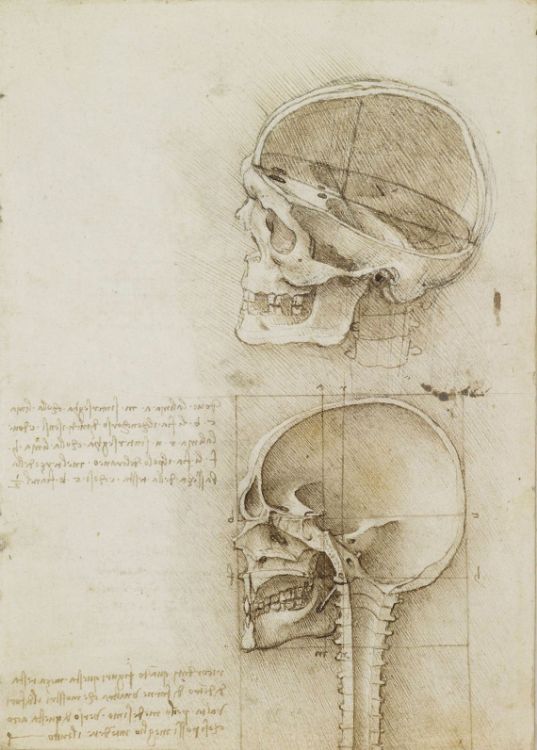
Royal Collection, Windsor Castle, England.
Skull studies, 1489
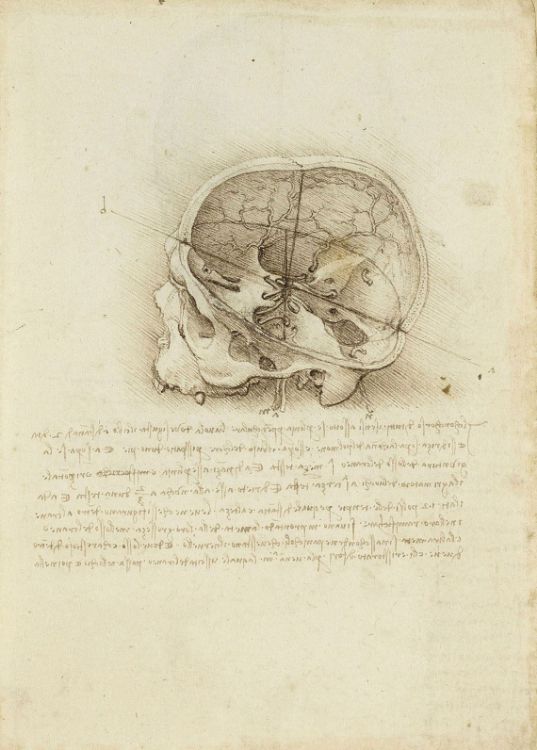
Royal Collection, Windsor Castle, England.
Skull studies, 1489
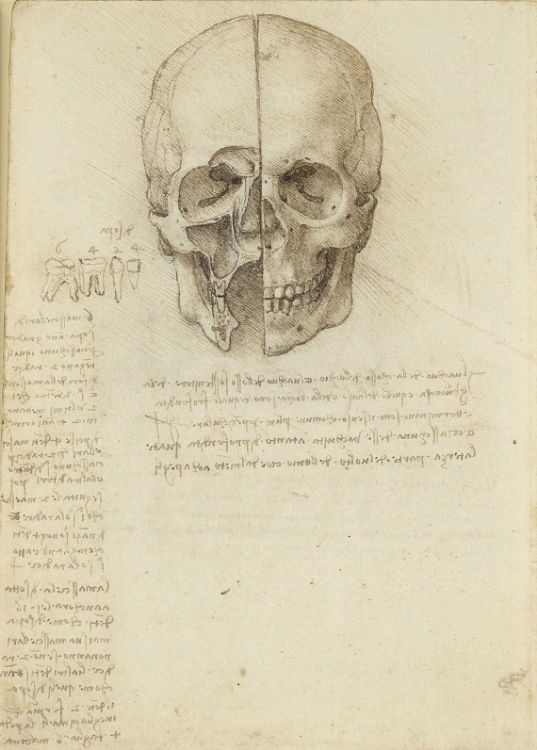
Royal Collection, Windsor Castle, England.
The Vitruvian Man, c. 1490
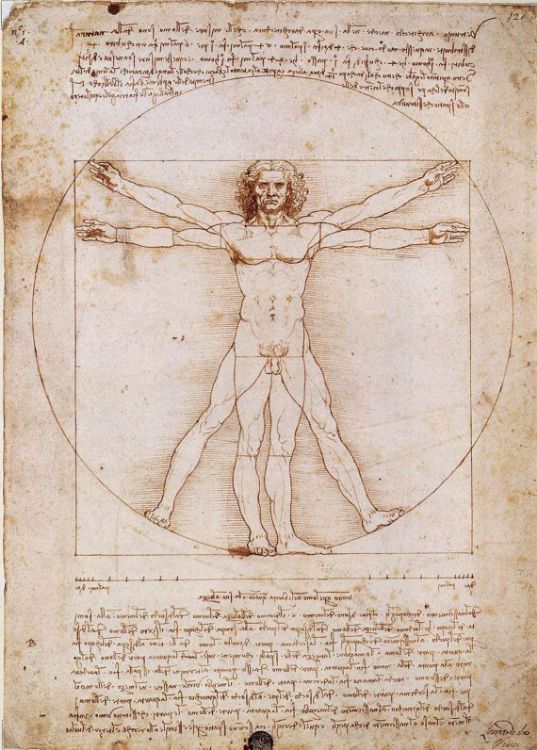
Gallerie dell'Accademia, Venice, Italy.
Head measurements and horsemen, 1490-1504
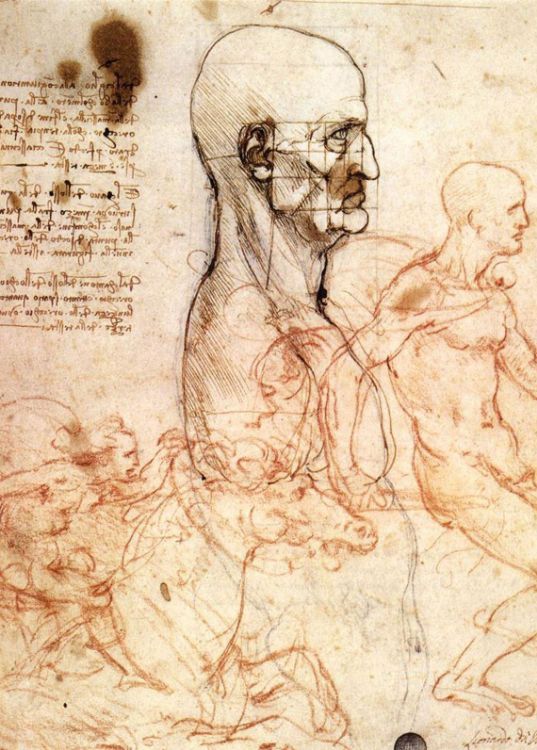
Gallerie dell'Accademia, Venice, Italy.
Bust of a Man in Profile with Measurements and Notes, c. 1490
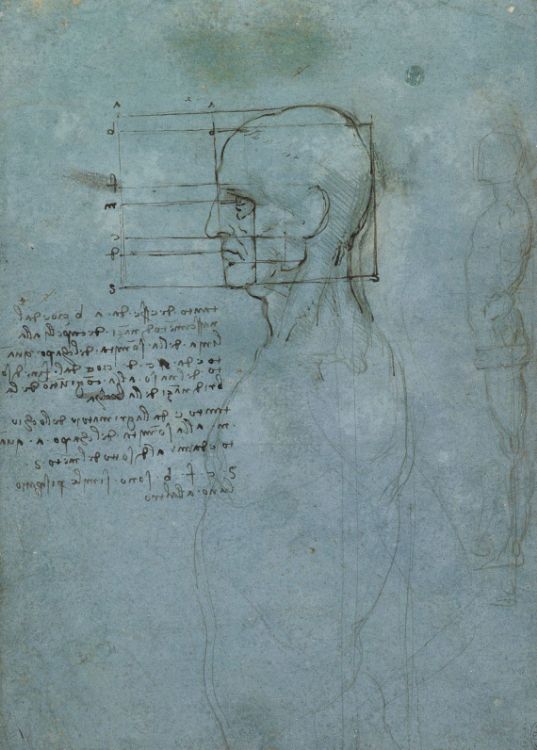
Royal Collection, Windsor Castle, England.
Comparison of Scalp Skin and Onion, c.1493-1494
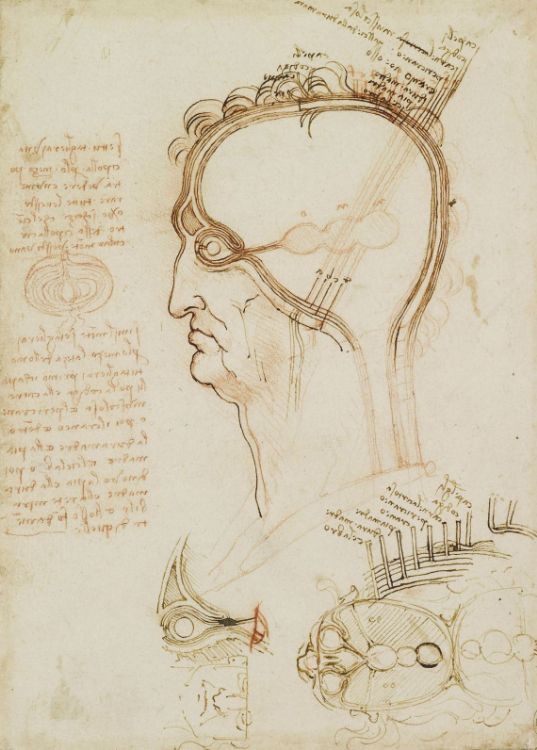
Royal Collection, Windsor Castle, England.
Anatomical figure showing heart, lungs and main vessels, 1490-1500
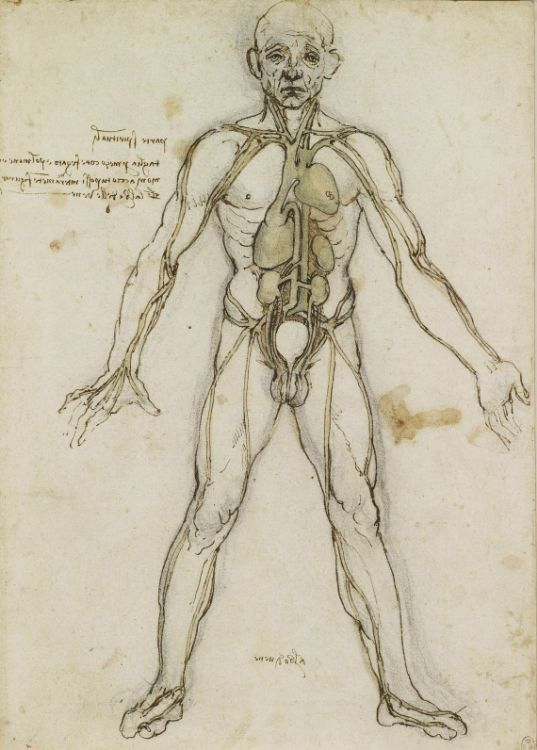
Royal Collection, Windsor Castle, England.
İntestines, 1506-1508
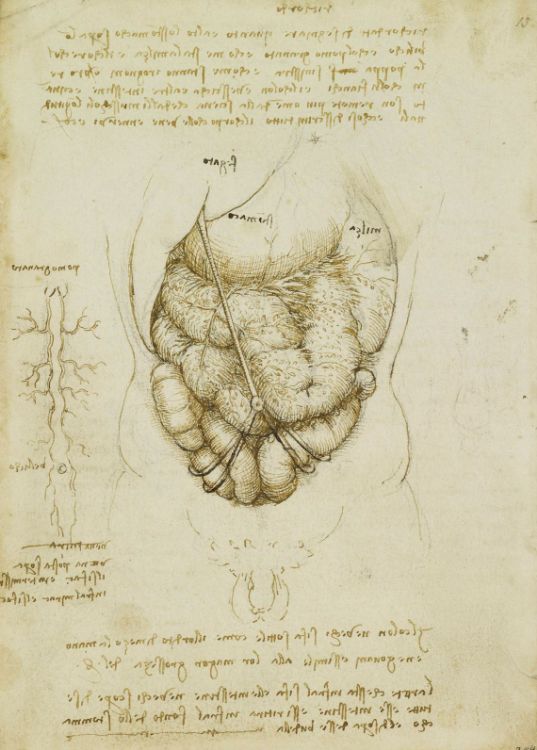
Royal Collection, Windsor Castle, England.
Stomach and intestines, 1506-1508
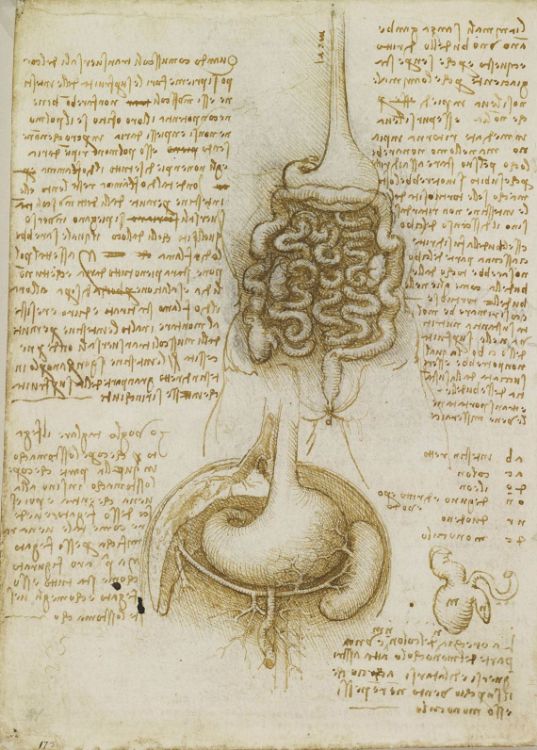
Royal Collection, Windsor Castle, England.
Chest and Abdomen İnternal Organs, 1506-1508
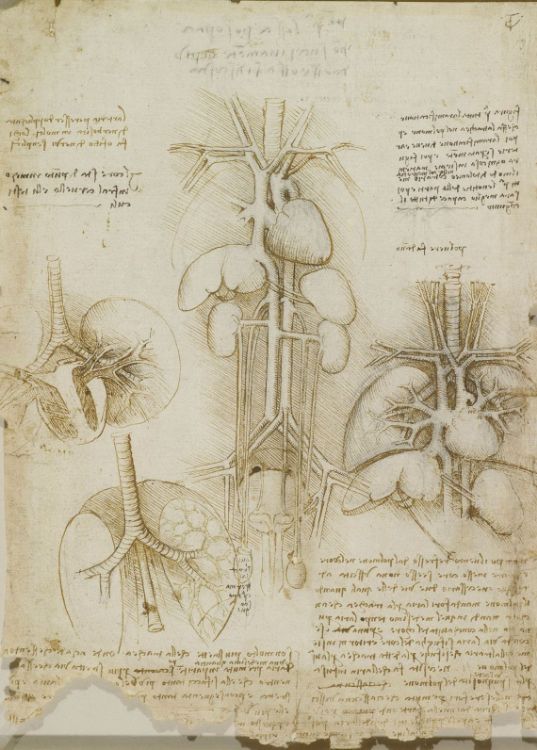
Royal Collection, Windsor Castle, England.
Spine, 1508-1509
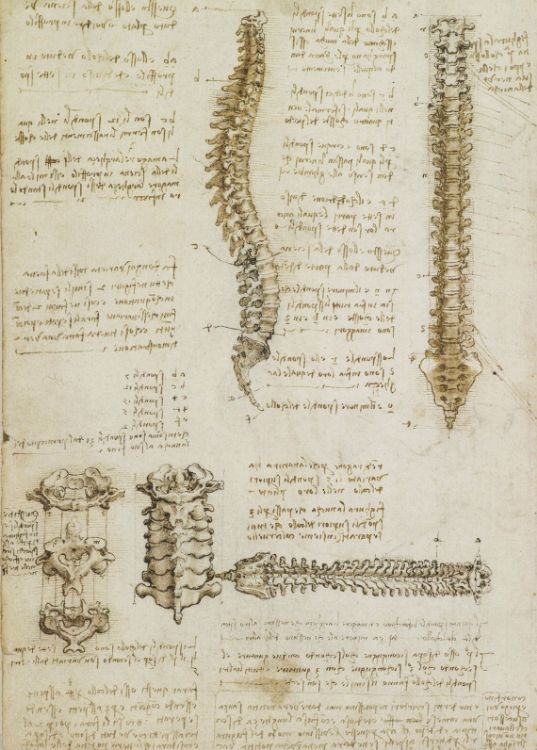
Royal Collection, Windsor Castle, England.
Leg and Knee Bones, c. 1508-1510
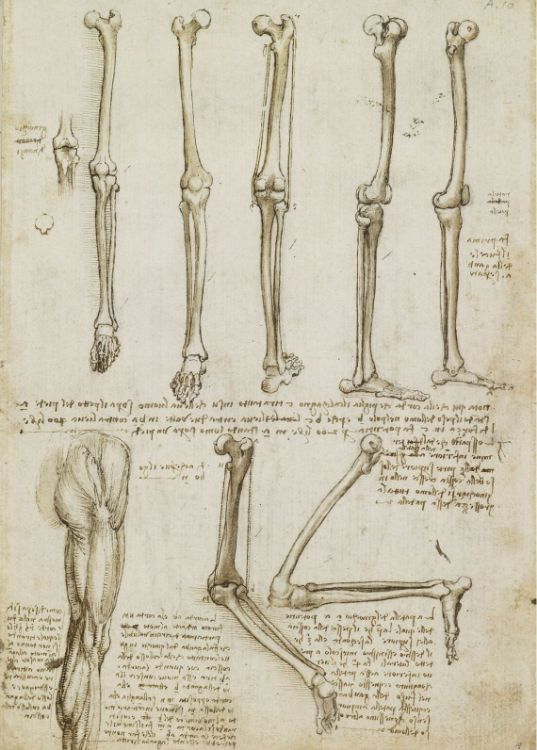
Royal Collection, Windsor Castle, England.
Movement of The Biceps Muscle, c. 1508-1510
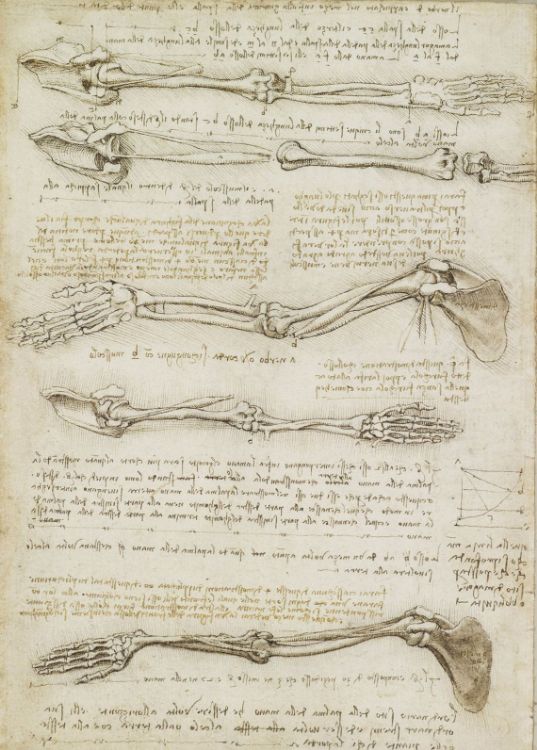
Royal Collection, Windsor Castle, England.
Foot and Shoulder Bones, 1508-1510
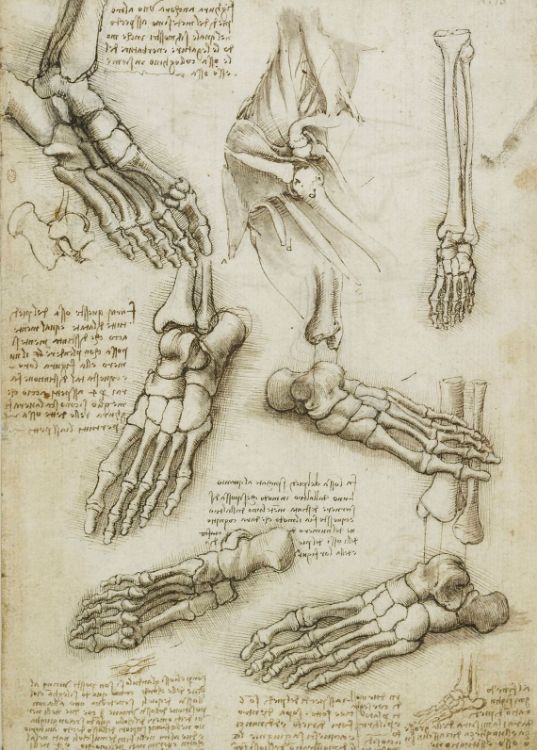
Royal Collection, Windsor Castle, England.
Shoulder, Neck and Chest Muscles in Motion, c. 1508-1510
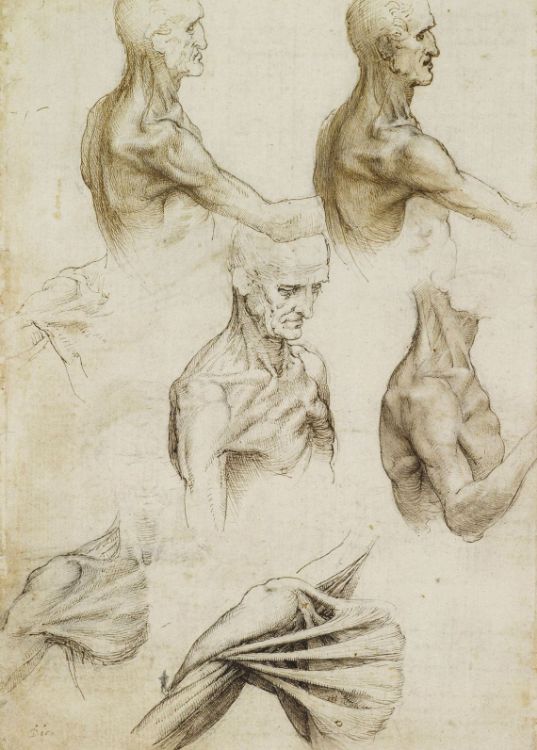
Royal Collection, Windsor Castle, England.
The Shoulder Muscles depicted in three different sections; Foot Bone, c. 1508-1510
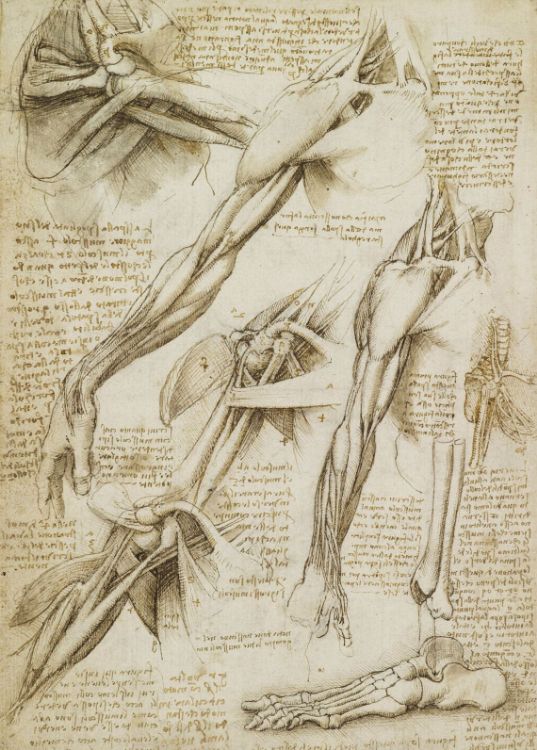
Royal Collection, Windsor Castle, England.
Arm Muscles in motion; Tongue, Throat and Uvula, c. 1508-1510
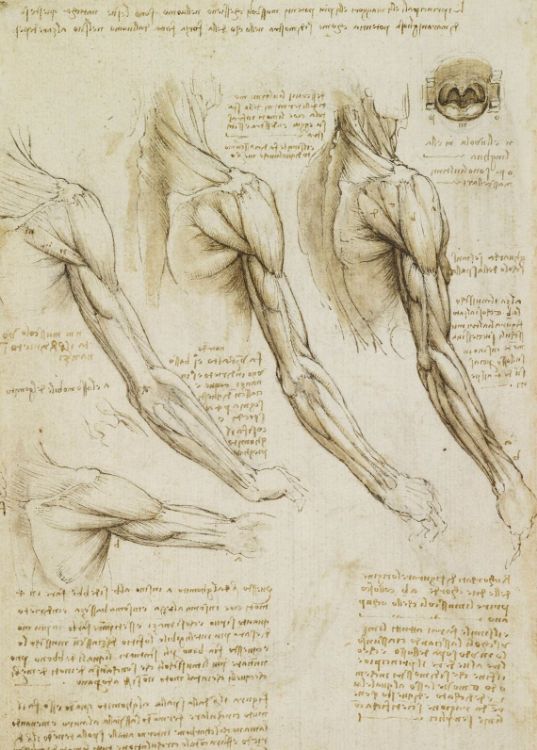
Royal Collection, Windsor Castle, England.
Arm, Hand and Face Muscles, 1509-1510
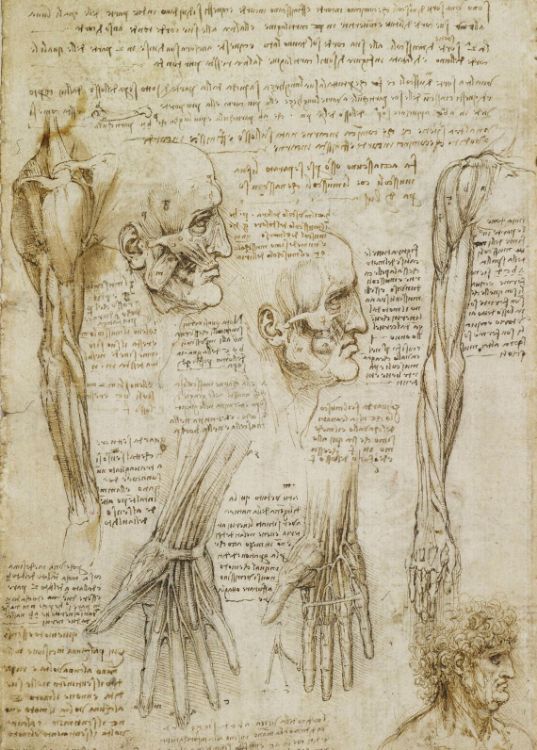
Royal Collection, Windsor Castle, England.
Male Neck and Shoulder, c. 1509-1510
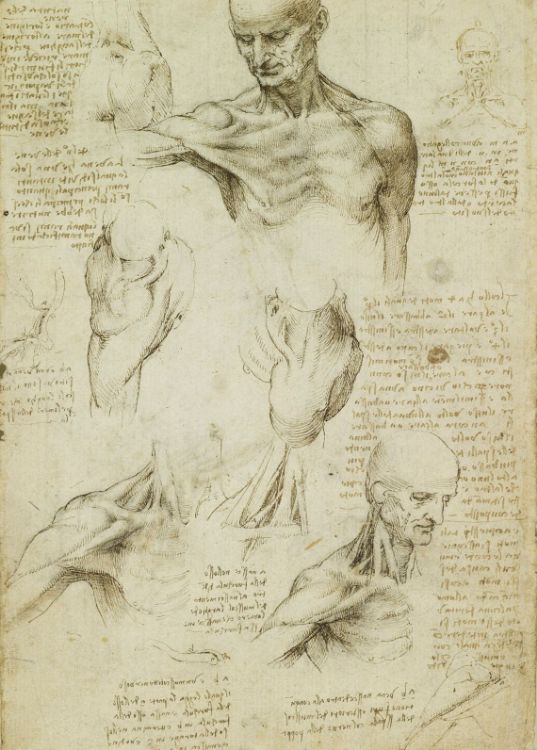
Royal Collection, Windsor Castle, England.
Shoulder Muscles, 1509-1510
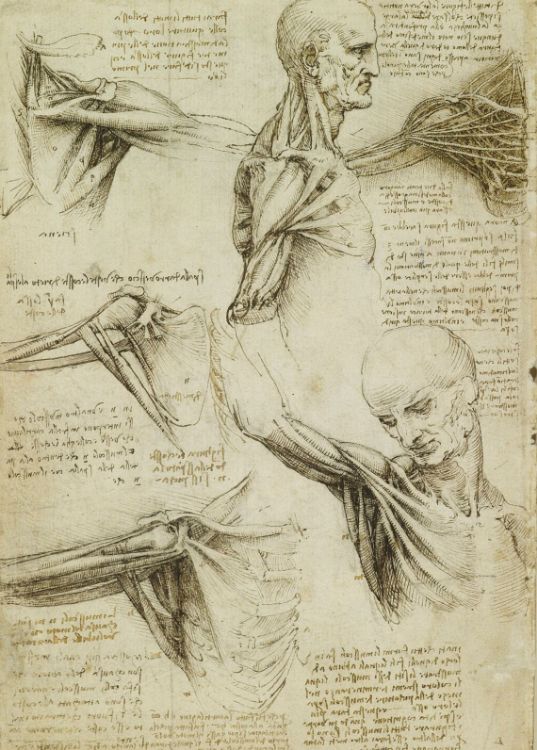
Royal Collection, Windsor Castle, England.
Upper Body and Leg Skeleton, 1509-1510
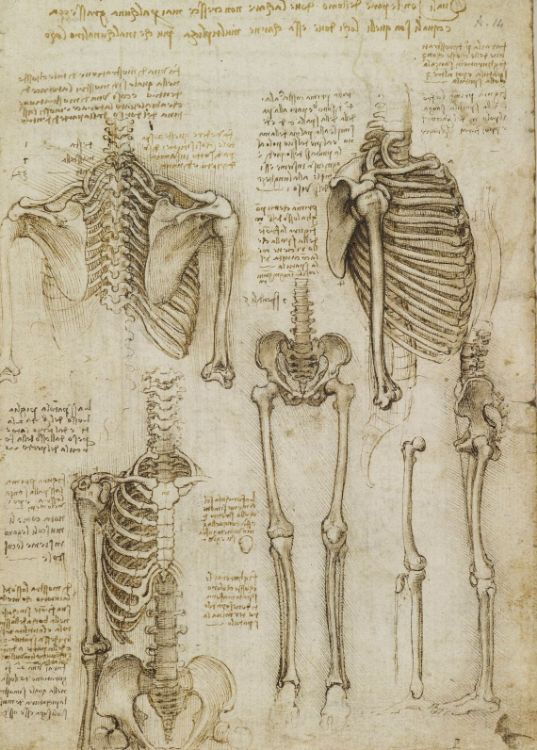
Royal Collection, Windsor Castle, England.
Female Sexual Organ and Fetus, 1510-1512
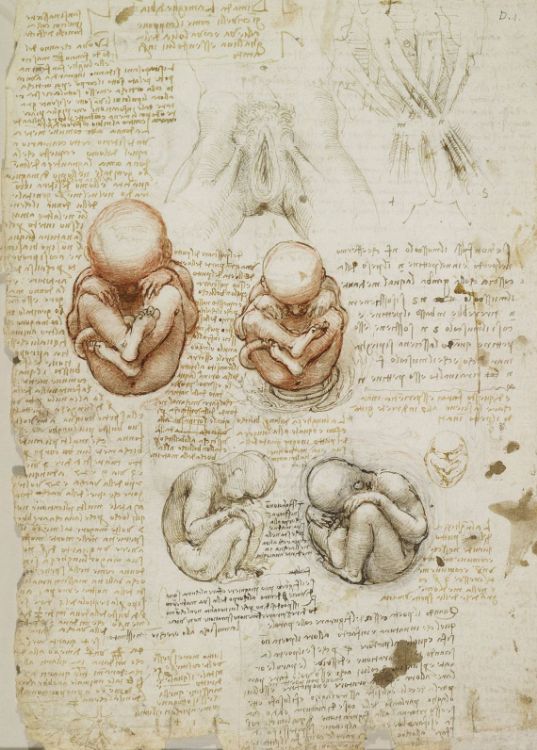
Royal Collection, Windsor Castle, England.
Embryo in the Womb, 1510-1512
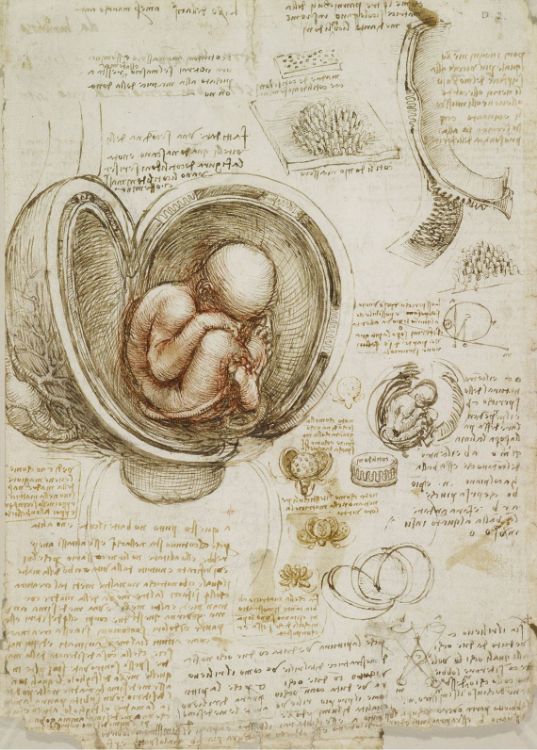
Royal Collection, Windsor Castle, England.
Neck Muscles, c. 1513
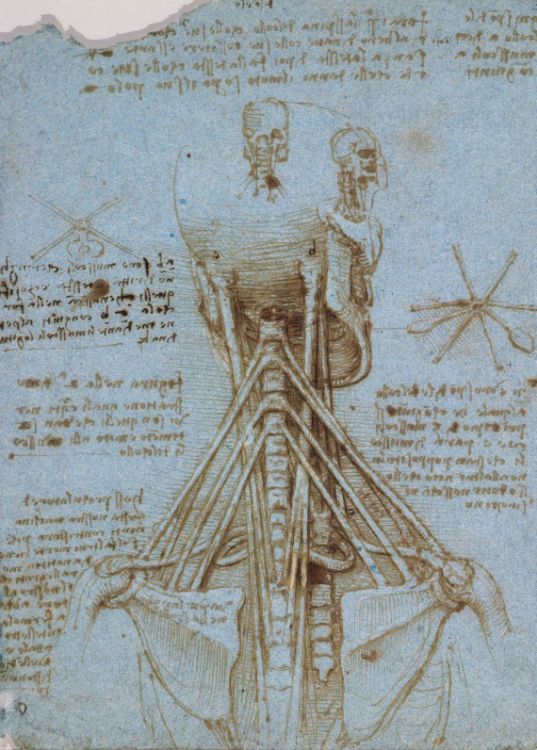
Royal Collection, Windsor Castle, England.
Heart and Lung, c. 1513
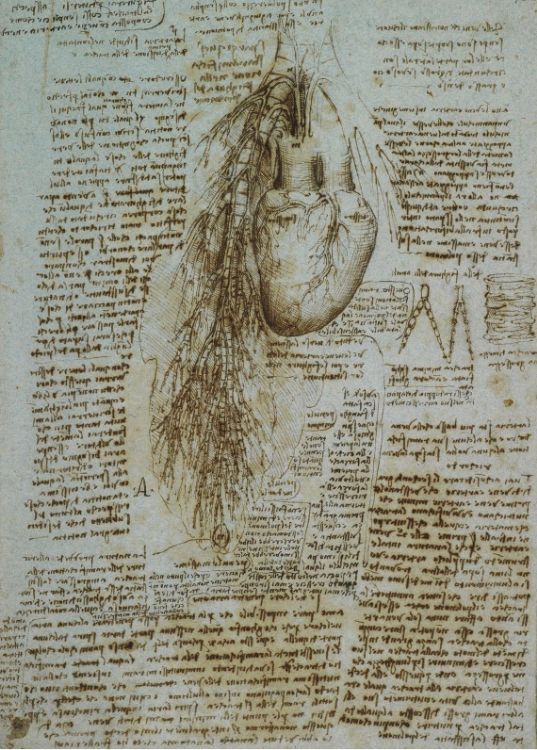
Royal Collection, Windsor Castle, England.
Bibliography;
Zöllner, F., (2005). Leonardo, Birinci Basım, Taschen/Remzi Kitabevi, İstanbul.
Buchholz, E.L., (2005). Leonardo da Vinci, Literatür Yayıncılık, İstanbul.
Ed:Pescio, C., (2014). Leonardo da Vinci Sanat ve Bilim, Birinci Baskı, Boyut Yayın Grubu, İstanbul.